The term "mass tourism" is used in several destinations around the world, but practice shows that it is most often associated with coastal destinations, that is, cities that have direct access to the sea or ocean.
Are you familiar with headlines like these: "Venice: We're charging to enter the city! Barcelona: No more renting apartments to tourists! Florence welcomes the decision and bans short-term accommodation in the city center. Dubrovnik: We're fed up with the noise, fines for dragging suitcases along Stradun! Amsterdam: Stop cruise ships entering the port!"?
The reasons are varied, from high rental prices to a shortage of apartments for longer stays, noise, environmental pollution, unbearable amounts of garbage, traffic congestion to generally excessive tourist visits or, to put it mildly, visits that they can no longer manage.
The concept of mass tourism is associated with negative impacts on the lives of local residents. From the privatization of public areas, extreme increases in real estate prices and the conversion of every free space into an apartment, burdening the utility network, pronounced seasonality that negatively affects the quality of service, while leading to high prices for products and services, which are reflected in the imbalance of price and quality, to the devastation of land, endangerment of biodiversity and ultimately the decline in the purchasing power of the local population, which leads to general dissatisfaction.
Doxey indeks iritantnosti
Tourism experts are familiar with the Doxey Irritability Index, which was developed back in 1975, around the time when mass arrivals had already greatly affected some of the aforementioned countries and cities.
Although this model is not based on detailed research, it is an exception to the assumption that homogeneity characterizes the community, and that the community as a whole is hostile towards tourism, but it often happens that the community is in fact heterogeneous, where, for example, the unemployed on the one hand and entrepreneurs on the other welcome any growth in tourism, seeing it as their chance for growth.
Well, the Doxey irritation index suggests that local people who initially had a positive perspective on tourism began to have a negative perspective on tourism activities due to the rapid development of the tourism industry and the negative aspects of tourism.
The model suggests that communities go through a sequence of reactions as the tourism industry developing in their area becomes more prominent and their perceptions change with experience, in four stages.
Faze
Euphoria is the first phase in which the population of a destination feels a positive emotion about the potential of tourism in that area. This phase is associated with the initial development of the destination as a tourist location – so there is a sense of excitement and anticipation. Arrivals are counted, overnight stays are counted, stories are told about the nationalities that visit us and in general, the overall goal is a satisfied guest.
Apathy is the second phase in which more formal contact with tourists begins to develop. Residents of a local community begin to perceive tourists as a source of income and investment . The most important thing is that the guest comes, spends as much as we think is necessary, and leaves very quickly.
Nuisance or irritation is the third stage in which residents begin to see the negative side of the tourism industry in their area: massification, too much traffic, environmental pollution, too much waste, while they will see investments as money wasted on tourist activities and facilities, rather than on things that local residents need.
Antagonism is the last phase where things are at their worst. Tourists are seen as the cause of all the problems that arise in an area and comparing the situation in the listed countries with this theory, I would say that they have reached the last phase which undoubtedly requires a reaction due to excessive tourism or poor destination management. We will let time and expertise tell.
As I write about this model, I think of destinations in the region and what phases they are in. I know of some locations in Croatia that are in the third phase, I know of destinations on the Montenegrin coast that are mostly in the second, and the destination that I, among others, represent is still in the first.
Also, I doubt that we as a destination will ever have a problem with mass tourism, that is, tourism that could have a negative overall impact on the environment, except for individual or micro locations in the destination.
I see the reason in the fact that it is a rural destination, where the structure and surface area itself indicate that we have the exact opposite potential, which is the so-called green tourism that promotes environmental protection and the preservation of natural resources.
What can be expected in BiH?
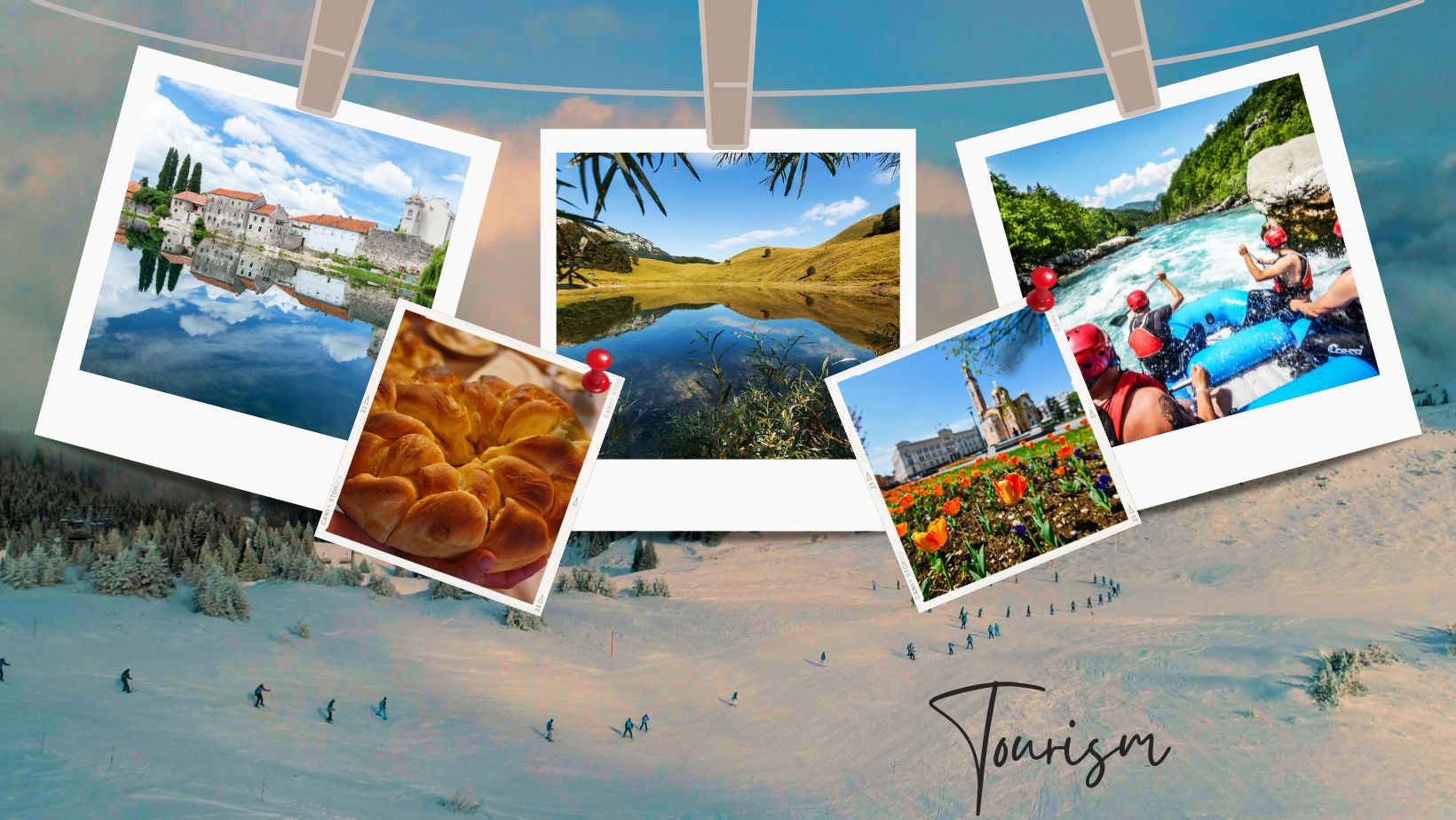
This form of tourism, if we have a healthy approach, which is not too late, aims to reduce the negative impact of tourism itself on the environment. Republika Srpska and Bosnia and Herzegovina can and should be destinations for escape from urban environments to nature and activities that involve staying and doing things in nature.
This can be hiking, mountaineering, cycling, visiting national parks and nature parks, visiting cultural and natural heritage, water activities such as rafting, kayaking, canyoning, with planned investment in villages and the production of local products. In this context, any intention to exploit and devastate the natural environment for the sake of interests, usually individuals or interest groups, is negative, and any initiative and new area of protected area is positive, which, incidentally, is currently very small in the Republika Srpska, only 3%.
If we are on the right side of tourism, with enough empathy for nature and the environment, and with enough knowledge that local communities, while nurturing the biodiversity in which they are located, can simultaneously be desirable destinations with an authentic tourist offer, we will be an indispensable stop for tourists with refined taste who want a unique, different and sustainable growth-oriented experience, because centuries of shaping life in this region give us the opportunity for modern affirmation in the world of tourism in which authenticity is valued today.